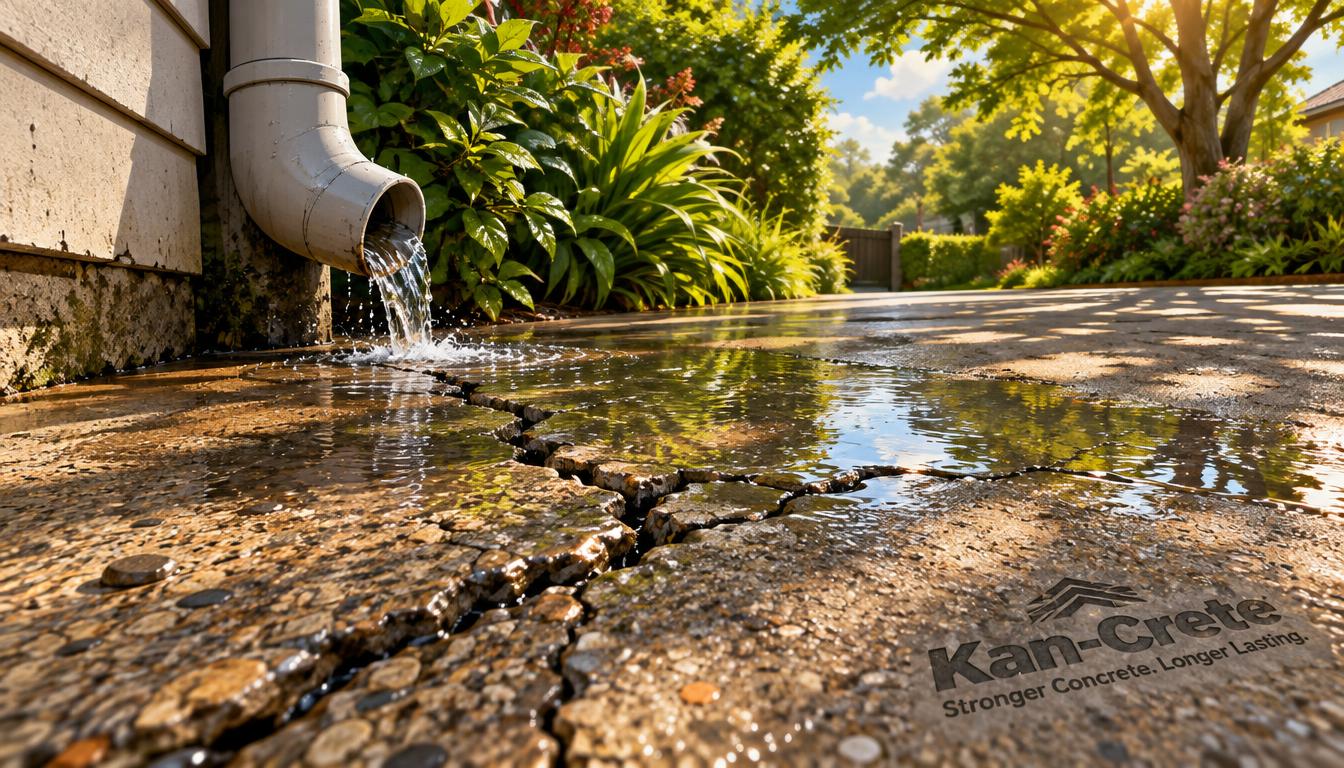
Why Logan Driveways Crack (And How to Build One That Lasts)
Stop driveway cracks with a durable concrete driveway built for Logan conditions. Choose a concreter Logan for expert advice and…

It’s a hot January afternoon, and the sun has been beating down on your driveway since breakfast. By four o’clock, dark clouds roll in from the west. A storm then dumps a month’s worth of rain across your paths and slabs in twenty minutes.
Logan summers bring hot days and heavy rain, and both are hard on outdoor surfaces around your home. Across South East Queensland, summer is the season when concrete needs the most attention. A little care now can save you a costly repair later.
Once you know what to look for, you can spot early warning signs before they spread. You’ll also know when to clean and seal, how to protect a fresh pour, and when to book a pro. Tony is a local concreter who helps homeowners get ready, and you can call him on 0405 721 873.
Get in quick, though. Bookings fill fast before the Summer break, so it pays to plan your job early. To see why, it helps to know what heat and storms actually do to concrete.
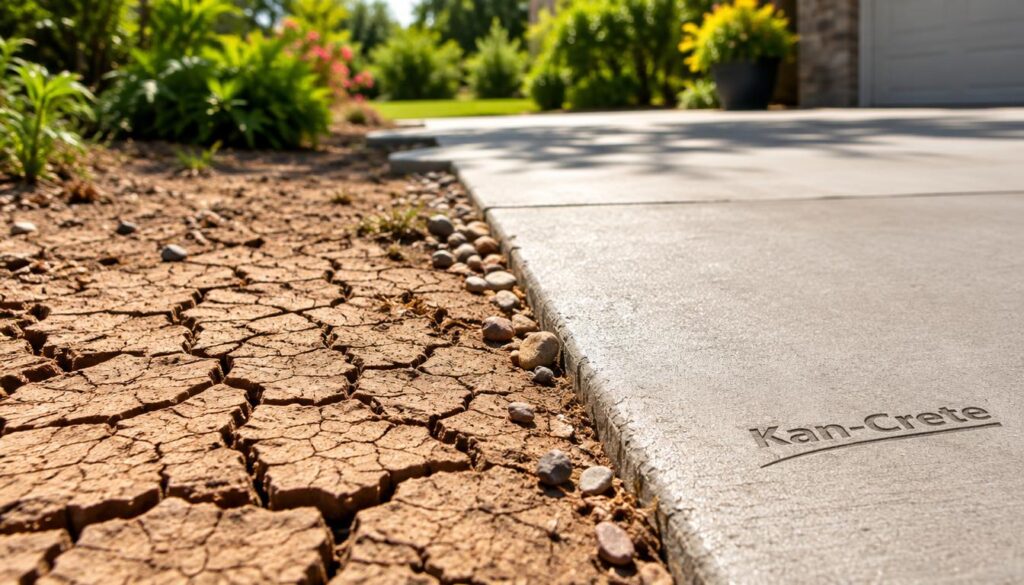
The dry-then-drenched cycle of a Logan summer moves the ground under your slab. When the soil moves, the concrete on top has to move with it. That strain is what leads to cracks.
Much of the area sits on reactive clay soil. Reactive clay soil is clay ground that swells when it gets wet and shrinks as it dries out, so it can move and crack concrete sitting on top of it. This kind of soil is common across South East Queensland, so many driveways face the same risk.
Summer puts several kinds of stress on your concrete at once. Here are the four that matter most:
Most people assume steady heat is the main enemy. In truth, the swing from dry ground to soaked ground is usually what cracks a slab. A week of baking sun followed by a heavy storm is far harder on concrete than a long, even hot spell.
The fast swing from dry ground to soaked ground cracks more slabs than heat alone ever will.
The good news is that correctly installed concrete resists cracking, shifting and erosion. A good base, the right thickness and proper drainage all help the surface ride out these swings. Even so, every slab gives off clues when something is going wrong, and you can learn to read them.
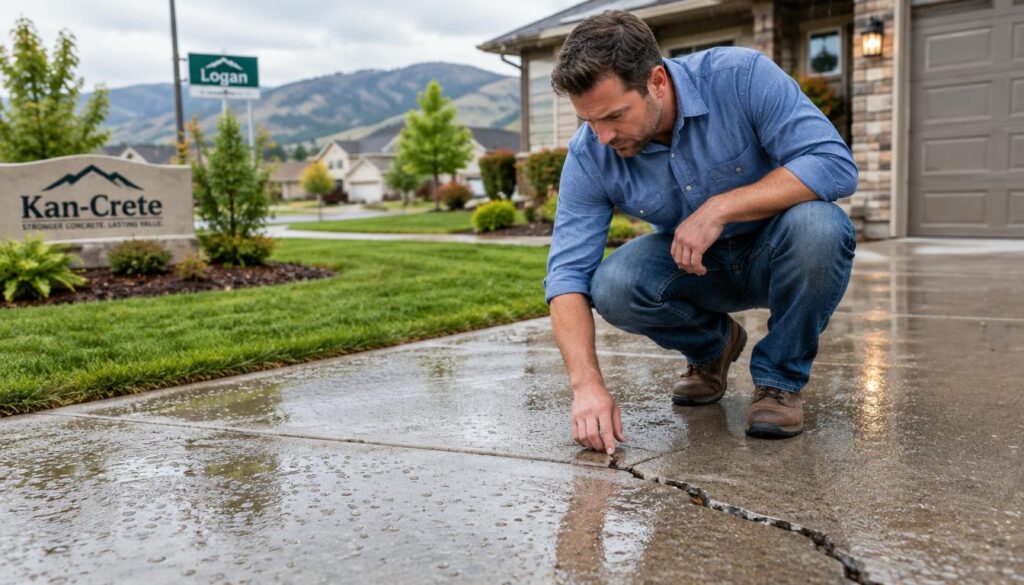
The easiest way to check your concrete is to walk your driveway after a storm. Fresh rain shows up low spots, dark stains and cracks that you might miss on a dry day. Take your phone, snap a few photos, and compare them every few months.
Cracks, uneven surfaces and discolouration are the most common problems homeowners see, especially when the first job was poorly done. Some of these signs are minor, and others need a pro. The quick guide below helps you sort them out.
| Sign | What it usually means | DIY or call a concreter |
|---|---|---|
| Hairline crack | Normal shrinkage on the surface | DIY: watch and keep sealed |
| Widening or stepped crack | Ground movement under the slab | Call a concreter |
| Fading or staining | UV, spills or worn sealer | DIY clean, then reseal |
| Pooling water | Poor fall or blocked drainage | Call a concreter |
| Lifting or sunken edges | Washed-out base or soil movement | Call a concreter |
Hairline cracks are thin surface lines, and most concrete gets a few as it dries and ages. They’re usually cosmetic, so you can simply keep an eye on them. Structural cracks are a different story.
A crack you can fit a coin into, or one with one side higher than the other, is no longer cosmetic. It means the slab has moved, and it will likely keep moving. That’s the time to get a concreter to take a look.
Coloured concrete can fade over time from UV exposure, weather and regular wear. Oil drips, rust marks and leaf stains also build up on a concrete driveway. A rough, dusty finish often means the top layer has started to wear away.
These problems are about looks more than strength. A good clean and a fresh coat of sealer will often bring the surface back to life.
Water that sits on your slab for hours after rain points to poor drainage. Over time it soaks into the base and softens the ground below. Edges are where this shows up first.
If an edge has lifted or sunk, the base may be washing out. Check our guide on when it’s time to redo your driveway for more signs. Many of these problems start small, which is why a simple care routine goes a long way.
Most concrete care is just keeping it clean. Concrete needs little maintenance, and an occasional clean keeps it looking good for years. In summer, though, a little more often helps.
Set aside some time once a fortnight and work through these five steps around your home:
Pool surrounds need a little extra love in summer. They pick up chlorine and salt every time someone climbs out of the water. Rinse them more often in the warmer months, ideally a few times a week when the pool gets heavy use.
Driveways need a different kind of watch. Look for oil drips under the car and clear them before the sun bakes them in. A quick clean now saves a much harder job later.
Drainage is the step most people forget. Check downpipes after the first big storm of the season, because a loose one can flood a slab edge overnight. Clean concrete is easier to protect, and sealing adds the next layer of defence.
You should reseal your concrete every 2-3 years. Resealing protects against fading, staining and moisture soaking in. In Logan, late spring or early summer is a good window, before the hottest weeks arrive.
The right timing matters as much as the right sealer. Seal on a dry stretch of weather, not right before a forecast storm. Rain on a fresh coat can leave it cloudy or stop it bonding to the surface.
Each finish has its own needs, so it helps to know what you have. Here’s how the three common types compare.
| Finish | Main summer risk | Sealing advice | Where it is common |
|---|---|---|---|
| Plain concrete | Stains and water soaking in | Optional, helps in busy areas | Shed slabs, side paths |
| Coloured concrete | UV fading | Reseal every 2-3 years | Driveways, patios |
| Exposed aggregate | Loose stones, dull finish | Reseal every 2-3 years | Driveways, pool surrounds, paths |
Coloured concrete needs the most regular sealing, because UV slowly fades the pigment. Quality pigments plus proper sealing keep the colour bright for years. Stick to the 2-3 year cycle, and lean towards two years if your driveway faces full afternoon sun.
A simple test tells you when it’s due. Sprinkle some water on the surface. If it soaks in instead of beading up, the sealer has worn thin.
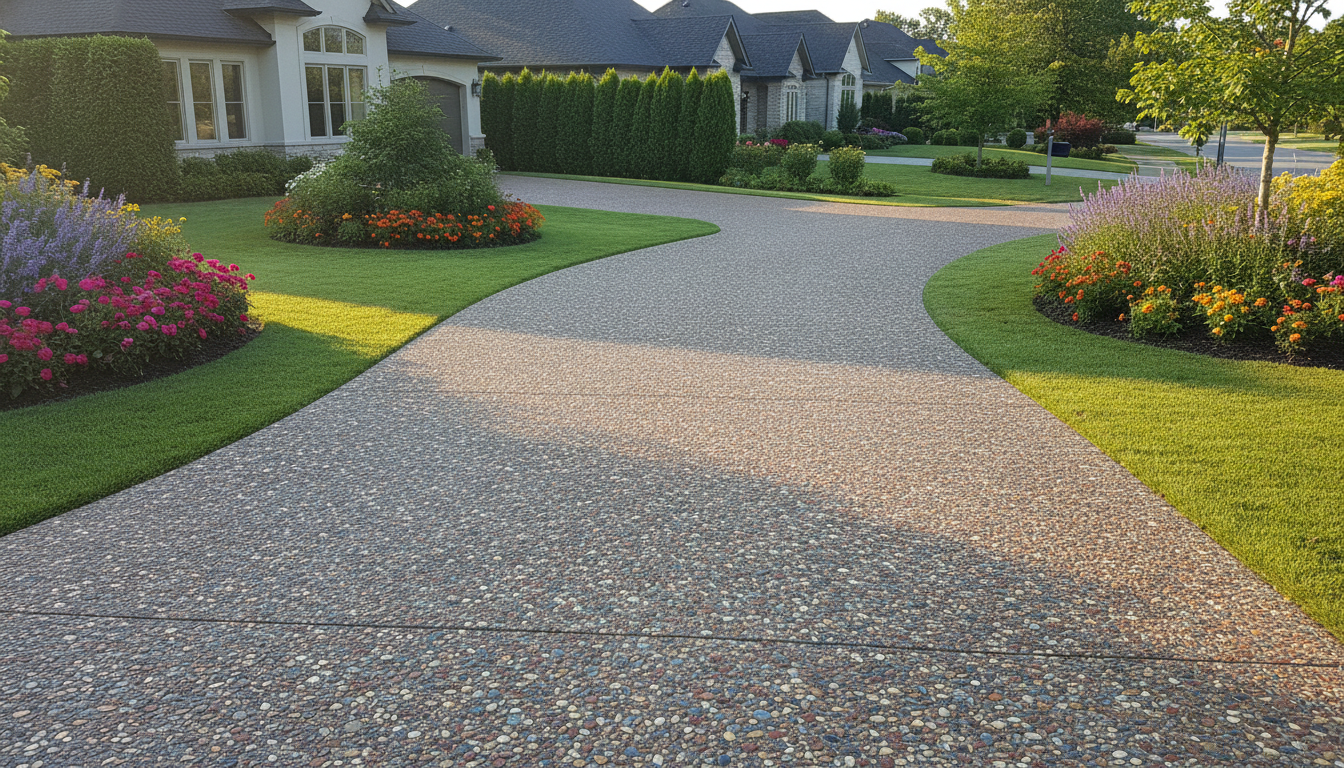
Exposed aggregate shows off the natural stone in the mix and gives a slip-resistant surface. That’s why it’s so popular for driveways, pool surrounds and pathways. The sealer holds the aggregate stones in place and keeps the colours rich.
In summer, keep an eye on stones near the edges and around pool areas. If they start to come loose, resealing soon will help lock them back in.
Plain concrete is tough and low-maintenance, so it doesn’t always need a sealer. It does help where oil, food or pool water are likely to spill. A carport or outdoor kitchen slab is a good example.
A sealed plain slab is also much easier to wipe clean. All of this applies to concrete that has fully set, while a brand-new pour needs very different care.
Picture a new driveway poured on a 33-degree morning. By lunch, the top looks dry and hard, but the slab underneath is still setting. What you do in the first days and weeks decides how strong it will be.
In hot weather, the surface can dry faster than the slab underneath. That gap can cause surface cracks and a weaker top layer. Your concreter knows how to manage this, so follow their advice closely.
Here are four things to keep in mind with new concrete in summer:
Strong results start well before the pour. Good site prep, firm compaction and steel reinforcement all set up a concrete slab to last. A good concreter can also tailor the mixes to suit the local soils.
If you’re building a new home, ask how your slab will be cured in the heat. A clear answer is a good sign. Even the best care has limits, though, and some older slabs need more than cleaning.
If your slab is still sound, resurfacing usually wins over a full replacement. It costs much less than tearing out and repouring. If the slab has moved or broken up, replacement is often the only real fix.
The right choice depends on what’s going on beneath the surface. A tidy-looking driveway can hide a failing base, while a stained one might be solid underneath. Here’s how the three options compare.
| Option | Best for | Relative cost | Typical outcome |
|---|---|---|---|
| Sealing or cleaning | Stains, fading, light wear | Lowest | Refreshed look, same slab |
| Resurfacing | Sound slab with surface damage | Medium | New finish over old base |
| Full replacement | Moving, broken or sinking slab | Highest | Brand-new slab and base |
Resurfacing uses a compound that bonds to your existing slab. It suits concrete that is structurally sound but has surface wear, cracks or stains. You get a fresh finish without the mess of breaking out the old driveway.
There’s a catch, though. Resurfacing over a slab that is still moving just hides the problem. The new layer will crack along the same lines within a season or two.
Poor concrete can’t be patched back to new. If the base has failed or the slab keeps shifting, fixing it usually means breaking it out and pouring again. That makes it a bigger concreting job, but it solves the real cause.
Replacement prices depend on the driveway’s size, the type of concrete, drainage needs and any decorative finishes. Plain concrete driveways cost less than stamped or exposed aggregate ones. A new pour also gives you the chance to fix drainage and pick a fresh finish.
If you’re unsure, ask a concreter to check the slab before you spend anything. Signs like deep cracks or sinking point towards replacement. When a new pour is the answer, it pays to know what a solid install involves.
Light-vehicle driveways typically need a minimum thickness of 100 mm. Heavier loads, like a caravan, boat or work truck, can need up to 150 mm. Getting the thickness right is the first step to a driveway that lasts.
Reinforcement matters just as much. Steel mesh holds the slab together when the clay underneath moves. Concreters on Brisbane Southside deal with the same reactive clay, so this matters right across Logan too.
Shed slabs have their own rules. A shed slab must be built to the shed maker’s specifications so it can handle QLD summer storms. Strong winds can try to lift a shed, and the slab is what holds it down.
A common mistake is a shed slab too thin for the shed’s anchoring. The bolts need enough concrete around them to grip. Always share your shed plans with your concreter before any shed slabs are poured.
Pool surrounds have two main options. You can pour a slab to tile over, or choose exposed aggregate for a non-slip finish. Concrete driveways and paths can also be plain, coloured, exposed aggregate, stencil or stamped. Of course, all of this depends on who builds it.
Start by checking the licence. Concrete work in Queensland is licensed through the QBCC, the Queensland Building and Construction Commission. You can search any concreter’s licence on the QBCC website in a couple of minutes.
Next, ask about trade training. A Certificate III in Concreting is the trade qualification in this field. It shows the person on your job has learned how to prepare, pour and finish properly.
It also helps to know who will actually turn up. Ask whether the owner does the work themselves or sends a team. Some large concrete contractors hand the job to subcontractors you never meet.
Concreter Logan reviews tell you a lot if you read them closely. Look past the star rating to comments on turning up on time and staying on budget. Notes on clear communication and a tidy site are good signs too.
Price alone is a poor guide. A cheap quote often means less time spent on the base, reinforcement and finishing. Those shortcuts are hidden once the concrete sets, so you won’t see them until cracks appear.
The best concreter Logan homeowners can pick explains the base and reinforcement before giving a price. That kind of experience shows they care about the parts you can’t see. Ask every concreter the same questions so you can compare them fairly, starting with what their quote covers.
Say you get two quotes for the same driveway, and one is much lower. The cheaper one might leave out the base prep, the steel or the drainage. A fair quote shows you exactly where your money goes.
Concreter Logan cost comes down to a few main factors. These include the size of the area, the type of concrete, and any finishes or features you want. Exposed aggregate, colour and extra drainage all change the final price.
A good quote process is simple and clear. Here’s how it works when you book with Tony:
Watch out for the lowest number on the table. A cheap concreter Logan quote can mean a thinner base, and that can’t be fixed later. Once the concrete is down, the only fix is to break it out and start again.
Comparing prices is smart, but compare like with like. Check that each quote lists the same thickness, steel and finish. If something is missing, ask before you sign.
Summer is a busy time for any concreting project, and the Summer break is close. Get in quick and get free quote booked now so your job starts on time. That leaves just a few final points to keep in mind.
This weekend, take ten minutes to walk your driveway and paths. Look for new cracks, pooling water and faded patches. Small problems are cheap to fix when you catch them early.
Two habits do most of the work. Keep your concrete clean and sealed, and act on cracks before they grow. A crack that keeps widening won’t fix itself, and every storm makes it worse.
If you’ve spotted something you’re unsure about, a local concreter Logan homeowners rely on can take a look. Call Tony on 0405 721 873 today to book your job before the Summer break.


© Kan-Crete | All Rights Reserved.